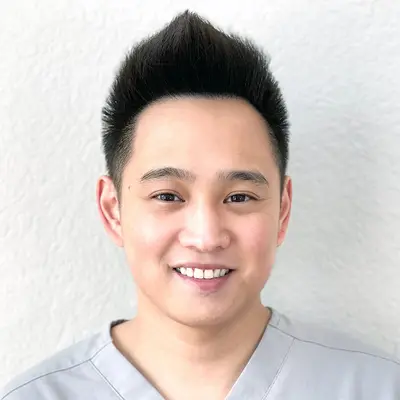
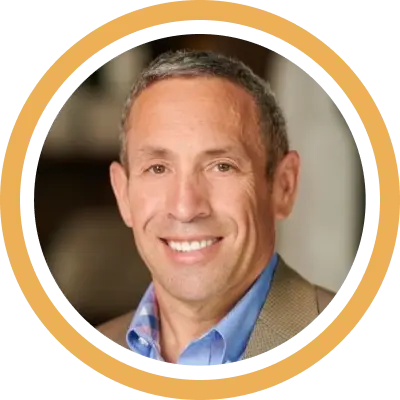
Dr. Jessica Taylor, MD is a Board-Certified Psychiatrist at Dr. Taylor Private Practice in Austin, Texas, specializing in Transcranial Magnetic Stimulation (TMS) therapy for Bipolar, Tinnitus, Depression. Jessica is dedicated to providing patients in the Travis County with access to advanced, FDA-cleared brain stimulation treatments that offer a proven alternative when traditional medications fall short. Jessica's journey in psychiatry began at Stanford Medicine, where training in both the science and art of mental health care shaped a distinctive clinical perspective. The program's emphasis on translational neuroscience — bridging laboratory research with bedside care — continues to influence how Jessica approaches TMS treatment today. Over a career spanning more than 19 years, Dr. Jessica Taylor, MD has developed deep expertise in the nuances of neuromodulation therapy. At Dr. Taylor Private Practice, this experience manifests in meticulous attention to treatment parameters, an ability to set realistic expectations with patients, and the clinical skill to achieve consistently strong outcomes even in complex, treatment-resistant presentations. For Jessica, the practice of interventional psychiatry is fundamentally about restoring hope. Many patients arrive at Dr. Taylor Private Practice after years of unsuccessful medication trials, and Jessica is committed to offering them a scientifically validated path forward through personalized TMS protocols grounded in the latest clinical evidence. Jessica's clinical focus at Dr. Taylor Private Practice includes specialized expertise in Bipolar, Tinnitus, Depression. Managing the depressive phase of bipolar disorder with TMS requires careful clinical expertise. Unlike antidepressants, which carry a risk of triggering manic episodes, TMS provides targeted mood improvement without systemic pharmacological effects. This makes it particularly valuable for bipolar patients who need relief from depression but cannot tolerate traditional antidepressant medications. In treating depression with TMS, the focus is on stimulating the left dorsolateral prefrontal cortex (DLPFC), a brain region consistently found to be underactive in patients with major depressive disorder. By restoring normal activity in this region, TMS helps re-engage the neural circuits responsible for mood regulation, motivation, and cognitive function. Clinical trials demonstrate remission rates of 50-60% in treatment-resistant cases. At Dr. Taylor Private Practice, Jessica works with MagVenture, NeuroStar — giving patients access to multiple FDA-cleared TMS platforms. This multi-device capability allows for protocol selection tailored to each patient's specific diagnosis and treatment targets. Jessica stays current with evolving treatment protocols, including standard repetitive TMS, theta burst stimulation, and accelerated treatment schedules where appropriate. Jessica is known among patients at Dr. Taylor Private Practice for taking the time to thoroughly explain the TMS process, set realistic expectations, and create an environment where patients feel comfortable and informed. This approach to patient communication contributes to higher treatment completion rates and better clinical outcomes. To schedule a consultation with Dr. Jessica Taylor, MD at Dr. Taylor Private Practice, contact the clinic directly. Jessica welcomes patients from throughout Austin, Texas, and the surrounding communities who are ready to explore whether TMS therapy may be the right next step in their mental health treatment journey.
Best Psychiatrists in Austin
6 board-certified psychiatrists specializing in TMS therapy across 3 clinics in Austin, Texas.
View All Clinics →All Psychiatrists in Austin
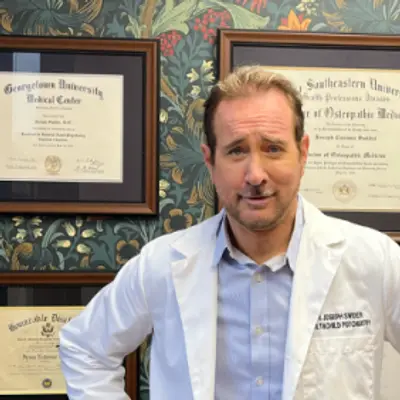
Dr. Emily Jackson, MD is a Board-Certified Psychiatrist at Dr. Taylor Private Practice in Austin, Texas, specializing in Transcranial Magnetic Stimulation (TMS) therapy for PTSD, Depression, Bipolar. Emily is dedicated to providing patients in the Travis County with access to advanced, FDA-cleared brain stimulation treatments that offer a proven alternative when traditional medications fall short. After earning a medical degree from Stanford Medicine, Emily pursued specialized training in psychiatry with a focus on interventional and neuromodulation techniques. This academic background, combined with extensive clinical rotations in treatment-resistant cases, built the foundation for a career dedicated to advancing brain stimulation therapy. Dr. Emily Jackson, MD brings 19+ years of psychiatric practice to Dr. Taylor Private Practice, with a significant portion of that career focused specifically on brain stimulation therapies. This depth of experience means patients benefit from a clinician who has navigated every common scenario in TMS treatment — from optimizing coil placement to managing treatment-resistant cases that require creative protocol adjustments. Central to Emily's practice is the conviction that patients deserve both cutting-edge neuroscience and genuine compassion. Rather than a one-size-fits-all protocol, each patient at Dr. Taylor Private Practice receives a treatment plan shaped by comprehensive evaluation, ongoing symptom tracking, and open collaboration between doctor and patient. Emily's clinical focus at Dr. Taylor Private Practice includes specialized expertise in PTSD, Depression, Bipolar. TMS for Post-Traumatic Stress Disorder works by rebalancing the hyperactive threat-detection circuits in the brain. Stimulation of the right dorsolateral prefrontal cortex has shown promise in reducing intrusive memories, emotional numbness, and hyperarousal symptoms. For patients whose trauma symptoms have not responded to therapy or medication alone, TMS offers a targeted neurobiological intervention. In treating depression with TMS, the focus is on stimulating the left dorsolateral prefrontal cortex (DLPFC), a brain region consistently found to be underactive in patients with major depressive disorder. By restoring normal activity in this region, TMS helps re-engage the neural circuits responsible for mood regulation, motivation, and cognitive function. Clinical trials demonstrate remission rates of 50-60% in treatment-resistant cases. At Dr. Taylor Private Practice, Emily works with MagVenture, NeuroStar — giving patients access to multiple FDA-cleared TMS platforms. This multi-device capability allows for protocol selection tailored to each patient's specific diagnosis and treatment targets. Emily stays current with evolving treatment protocols, including standard repetitive TMS, theta burst stimulation, and accelerated treatment schedules where appropriate. What patients consistently note about Emily is the combination of clinical expertise and personal attention. From the initial consultation through the final maintenance session, Emily ensures each patient understands their treatment plan, knows what to expect, and feels supported throughout their recovery journey at Dr. Taylor Private Practice. To schedule a consultation with Dr. Emily Jackson, MD at Dr. Taylor Private Practice, contact the clinic directly. Emily welcomes patients from throughout Austin, Texas, and the surrounding communities who are ready to explore whether TMS therapy may be the right next step in their mental health treatment journey.
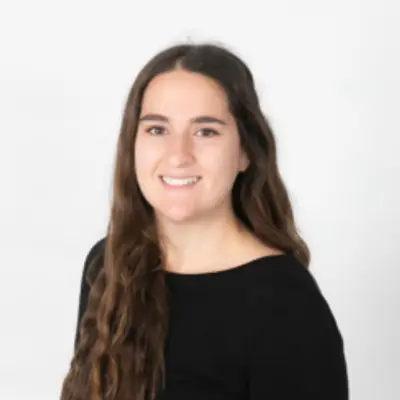
Dr. William Patel, MD is a Board-Certified Psychiatrist at Austin TMS Center in Austin, Texas, specializing in Transcranial Magnetic Stimulation (TMS) therapy for Chronic Pain, Anxiety, OCD. William is dedicated to providing patients in the Travis County with access to advanced, FDA-cleared brain stimulation treatments that offer a proven alternative when traditional medications fall short. William's journey in psychiatry began at Stanford Medicine, where training in both the science and art of mental health care shaped a distinctive clinical perspective. The program's emphasis on translational neuroscience — bridging laboratory research with bedside care — continues to influence how William approaches TMS treatment today. Over a career spanning more than 32 years, Dr. William Patel, MD has developed deep expertise in the nuances of neuromodulation therapy. At Austin TMS Center, this experience manifests in meticulous attention to treatment parameters, an ability to set realistic expectations with patients, and the clinical skill to achieve consistently strong outcomes even in complex, treatment-resistant presentations. William believes that effective TMS treatment requires more than just delivering magnetic pulses — it demands a deep understanding of each patient's unique neurological profile, psychiatric history, and personal treatment goals. This philosophy drives a highly individualized approach to care, where every treatment plan is carefully calibrated to maximize therapeutic outcomes. William's clinical focus at Austin TMS Center includes specialized expertise in Chronic Pain, Anxiety, OCD. TMS for chronic pain conditions targets the motor cortex and pain-processing regions of the brain. By modulating these neural pathways, TMS can reduce the perceived intensity of chronic pain and break the pain-depression cycle that often compounds suffering. Research has shown particular promise for fibromyalgia, neuropathic pain, and migraine prevention. TMS therapy for anxiety targets specific prefrontal cortex regions involved in emotional regulation and threat processing. By modulating activity in these circuits, TMS can help reduce excessive worry, physical tension, and the hypervigilance that characterizes anxiety disorders. Emerging research supports both standard and accelerated TMS protocols for generalized anxiety, with many patients experiencing relief that complements or replaces medication-based approaches. At Austin TMS Center, William works with MagVenture — an FDA-cleared TMS system. This technology delivers precise magnetic stimulation to targeted brain regions with proven clinical efficacy. William stays current with evolving treatment protocols, including standard repetitive TMS, theta burst stimulation, and accelerated treatment schedules where appropriate. William is known among patients at Austin TMS Center for taking the time to thoroughly explain the TMS process, set realistic expectations, and create an environment where patients feel comfortable and informed. This approach to patient communication contributes to higher treatment completion rates and better clinical outcomes. To schedule a consultation with Dr. William Patel, MD at Austin TMS Center, contact the clinic directly. William welcomes patients from throughout Austin, Texas, and the surrounding communities who are ready to explore whether TMS therapy may be the right next step in their mental health treatment journey.
Dr. Ashley Anderson, MD is a Board-Certified Psychiatrist at Austin TMS Center in Austin, Texas, specializing in Transcranial Magnetic Stimulation (TMS) therapy for OCD, Bipolar, Depression. Ashley is dedicated to providing patients in the Travis County with access to advanced, FDA-cleared brain stimulation treatments that offer a proven alternative when traditional medications fall short. Ashley completed medical training at Mayo Clinic Alix School of Medicine, one of the nation's leading programs in psychiatry and neuroscience. This rigorous academic foundation provided deep expertise in neuroanatomy, psychopharmacology, and the biological mechanisms underlying mood disorders — knowledge that directly informs the precision of TMS treatment delivery. With over 16 years of dedicated practice in psychiatry and neuromodulation, Dr. Ashley Anderson, MD has treated hundreds of patients using TMS therapy at Austin TMS Center and previous clinical appointments. This extensive hands-on experience translates into refined clinical judgment — the ability to recognize subtle treatment responses, adjust protocols in real time, and guide patients through the full course of therapy with confidence. Central to Ashley's practice is the conviction that patients deserve both cutting-edge neuroscience and genuine compassion. Rather than a one-size-fits-all protocol, each patient at Austin TMS Center receives a treatment plan shaped by comprehensive evaluation, ongoing symptom tracking, and open collaboration between doctor and patient. Ashley's clinical focus at Austin TMS Center includes specialized expertise in OCD, Bipolar, Depression. Obsessive-Compulsive Disorder requires a specialized Deep TMS approach, targeting the anterior cingulate cortex and medial prefrontal cortex — brain structures implicated in the repetitive thought-action cycles that define OCD. The FDA-cleared protocol uses BrainsWay's H7 coil to reach these deeper brain regions, offering significant symptom reduction for patients who have not responded adequately to SSRIs or cognitive-behavioral therapy. Managing the depressive phase of bipolar disorder with TMS requires careful clinical expertise. Unlike antidepressants, which carry a risk of triggering manic episodes, TMS provides targeted mood improvement without systemic pharmacological effects. This makes it particularly valuable for bipolar patients who need relief from depression but cannot tolerate traditional antidepressant medications. At Austin TMS Center, Ashley works with MagVenture — an FDA-cleared TMS system. This technology delivers precise magnetic stimulation to targeted brain regions with proven clinical efficacy. Ashley stays current with evolving treatment protocols, including standard repetitive TMS, theta burst stimulation, and accelerated treatment schedules where appropriate. Patients at Austin TMS Center describe Ashley as thorough, compassionate, and genuinely invested in their recovery. The treatment experience begins with a comprehensive initial evaluation, during which Ashley takes time to understand not just the clinical diagnosis, but the personal impact of the condition on daily life. This patient-centered approach continues throughout the full course of TMS treatment, with regular check-ins to monitor progress and adjust the treatment plan as needed. If you're considering TMS therapy in Austin, Texas, Dr. Ashley Anderson, MD and the team at Austin TMS Center offer comprehensive evaluations to determine whether this treatment approach is right for you. Reach out to schedule an initial consultation and take the first step toward a medication-free path to recovery.
Dr. Maria Patel, MD is a Board-Certified Psychiatrist at Austin Mental Health & TMS in Austin, Texas, specializing in Transcranial Magnetic Stimulation (TMS) therapy for OCD, Anxiety, PTSD. Maria is dedicated to providing patients in the Travis County with access to advanced, FDA-cleared brain stimulation treatments that offer a proven alternative when traditional medications fall short. Maria completed medical training at Mayo Clinic Alix School of Medicine, one of the nation's leading programs in psychiatry and neuroscience. This rigorous academic foundation provided deep expertise in neuroanatomy, psychopharmacology, and the biological mechanisms underlying mood disorders — knowledge that directly informs the precision of TMS treatment delivery. With over 13 years of dedicated practice in psychiatry and neuromodulation, Dr. Maria Patel, MD has treated hundreds of patients using TMS therapy at Austin Mental Health & TMS and previous clinical appointments. This extensive hands-on experience translates into refined clinical judgment — the ability to recognize subtle treatment responses, adjust protocols in real time, and guide patients through the full course of therapy with confidence. Maria believes that effective TMS treatment requires more than just delivering magnetic pulses — it demands a deep understanding of each patient's unique neurological profile, psychiatric history, and personal treatment goals. This philosophy drives a highly individualized approach to care, where every treatment plan is carefully calibrated to maximize therapeutic outcomes. Maria's clinical focus at Austin Mental Health & TMS includes specialized expertise in OCD, Anxiety, PTSD. Obsessive-Compulsive Disorder requires a specialized Deep TMS approach, targeting the anterior cingulate cortex and medial prefrontal cortex — brain structures implicated in the repetitive thought-action cycles that define OCD. The FDA-cleared protocol uses BrainsWay's H7 coil to reach these deeper brain regions, offering significant symptom reduction for patients who have not responded adequately to SSRIs or cognitive-behavioral therapy. TMS therapy for anxiety targets specific prefrontal cortex regions involved in emotional regulation and threat processing. By modulating activity in these circuits, TMS can help reduce excessive worry, physical tension, and the hypervigilance that characterizes anxiety disorders. Emerging research supports both standard and accelerated TMS protocols for generalized anxiety, with many patients experiencing relief that complements or replaces medication-based approaches. At Austin Mental Health & TMS, Maria works with MagVenture, Magstim, BrainsWay — giving patients access to multiple FDA-cleared TMS platforms. This multi-device capability allows for protocol selection tailored to each patient's specific diagnosis and treatment targets. Maria stays current with evolving treatment protocols, including standard repetitive TMS, theta burst stimulation, and accelerated treatment schedules where appropriate. Patients at Austin Mental Health & TMS describe Maria as thorough, compassionate, and genuinely invested in their recovery. The treatment experience begins with a comprehensive initial evaluation, during which Maria takes time to understand not just the clinical diagnosis, but the personal impact of the condition on daily life. This patient-centered approach continues throughout the full course of TMS treatment, with regular check-ins to monitor progress and adjust the treatment plan as needed. If you're considering TMS therapy in Austin, Texas, Dr. Maria Patel, MD and the team at Austin Mental Health & TMS offer comprehensive evaluations to determine whether this treatment approach is right for you. Reach out to schedule an initial consultation and take the first step toward a medication-free path to recovery.
Dr. Jennifer Wilson, MD is a Board-Certified Psychiatrist at Austin Mental Health & TMS in Austin, Texas, specializing in Transcranial Magnetic Stimulation (TMS) therapy for Depression, Anxiety, Bipolar. Jennifer is dedicated to providing patients in the Travis County with access to advanced, FDA-cleared brain stimulation treatments that offer a proven alternative when traditional medications fall short. Jennifer's journey in psychiatry began at Johns Hopkins, where training in both the science and art of mental health care shaped a distinctive clinical perspective. The program's emphasis on translational neuroscience — bridging laboratory research with bedside care — continues to influence how Jennifer approaches TMS treatment today. Over a career spanning more than 29 years, Dr. Jennifer Wilson, MD has developed deep expertise in the nuances of neuromodulation therapy. At Austin Mental Health & TMS, this experience manifests in meticulous attention to treatment parameters, an ability to set realistic expectations with patients, and the clinical skill to achieve consistently strong outcomes even in complex, treatment-resistant presentations. Central to Jennifer's practice is the conviction that patients deserve both cutting-edge neuroscience and genuine compassion. Rather than a one-size-fits-all protocol, each patient at Austin Mental Health & TMS receives a treatment plan shaped by comprehensive evaluation, ongoing symptom tracking, and open collaboration between doctor and patient. Jennifer's clinical focus at Austin Mental Health & TMS includes specialized expertise in Depression, Anxiety, Bipolar. In treating depression with TMS, the focus is on stimulating the left dorsolateral prefrontal cortex (DLPFC), a brain region consistently found to be underactive in patients with major depressive disorder. By restoring normal activity in this region, TMS helps re-engage the neural circuits responsible for mood regulation, motivation, and cognitive function. Clinical trials demonstrate remission rates of 50-60% in treatment-resistant cases. TMS therapy for anxiety targets specific prefrontal cortex regions involved in emotional regulation and threat processing. By modulating activity in these circuits, TMS can help reduce excessive worry, physical tension, and the hypervigilance that characterizes anxiety disorders. Emerging research supports both standard and accelerated TMS protocols for generalized anxiety, with many patients experiencing relief that complements or replaces medication-based approaches. At Austin Mental Health & TMS, Jennifer works with MagVenture, Magstim, BrainsWay — giving patients access to multiple FDA-cleared TMS platforms. This multi-device capability allows for protocol selection tailored to each patient's specific diagnosis and treatment targets. Jennifer stays current with evolving treatment protocols, including standard repetitive TMS, theta burst stimulation, and accelerated treatment schedules where appropriate. Jennifer is known among patients at Austin Mental Health & TMS for taking the time to thoroughly explain the TMS process, set realistic expectations, and create an environment where patients feel comfortable and informed. This approach to patient communication contributes to higher treatment completion rates and better clinical outcomes. To schedule a consultation with Dr. Jennifer Wilson, MD at Austin Mental Health & TMS, contact the clinic directly. Jennifer welcomes patients from throughout Austin, Texas, and the surrounding communities who are ready to explore whether TMS therapy may be the right next step in their mental health treatment journey.
Finding the Right Psychiatrist in Austin
When seeking a psychiatrist specializing in Transcranial Magnetic Stimulation (TMS) therapy in Austin, Texas, it's essential to consider several factors that can significantly impact your treatment outcome. Our directory features 6 board-certified psychiatrists across 3 TMS clinics, each bringing unique expertise and treatment approaches.
What to Look for in a TMS Psychiatrist
The ideal TMS psychiatrist should have specific training in neuromodulation techniques, a strong background in treatment-resistant depression, and experience with the particular TMS device used at their clinic. Many of our listed psychiatrists in Austin have completed fellowships in interventional psychiatry or neuromodulation at leading academic institutions.
Treatment Approach
Each psychiatrist in our Austin directory takes a personalized approach to TMS therapy. This typically begins with a comprehensive psychiatric evaluation, followed by brain mapping to identify the optimal treatment location. The standard protocol involves 36 sessions over 6-9 weeks, though some clinics offer accelerated protocols like SAINT that compress treatment into just 5 days.
Insurance and Cost Considerations
Most psychiatrists in Austin accept major insurance plans including Medicare, BlueCross BlueShield, Aetna, and UnitedHealthcare for TMS therapy. Out-of-pocket costs typically range from $250-$500 per session for those without coverage. Many clinics offer financing options to make treatment more accessible.
Ready to Find Your Psychiatrist?
Compare 6 psychiatrists in Austin and find the right specialist for your TMS treatment journey.
Take Eligibility Quiz